



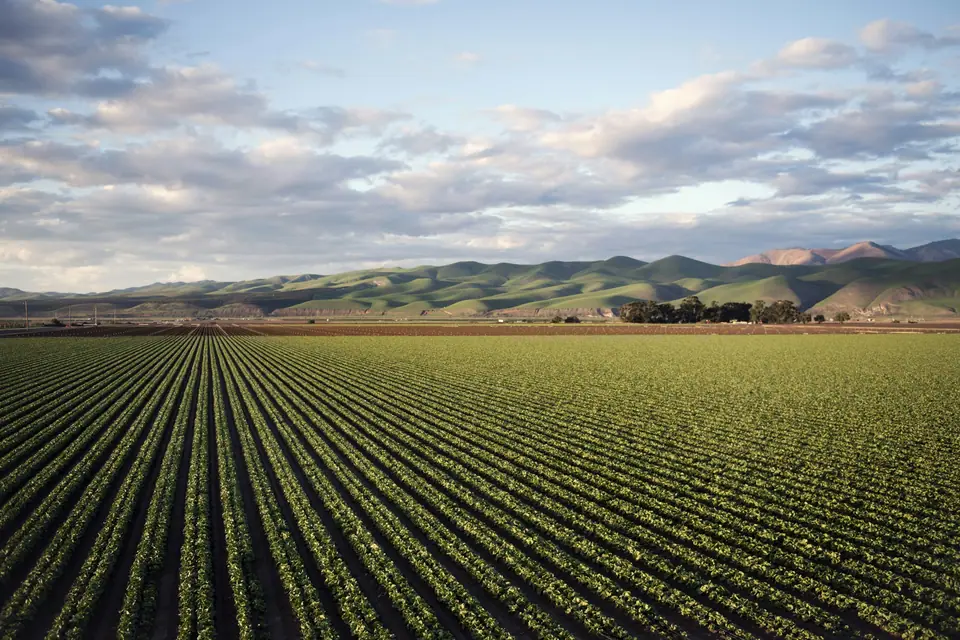
Crews for every season in the valley.
Ceres Crop Management is a licensed farm labor contractor in Shafter, California. We supply trained, bilingual crews for harvest, planting, pruning, greenhouse and packing-house work across the San Joaquin Valley — and we treat every worker with respect.
- Licensed FLCCalifornia Labor Commissioner · 1001171930
- MSPA registeredU.S. Department of Labor · R-WE-CA-51224110-0128
- Bilingual crewsSupervisors and training in Spanish and English
- Safety firstHeat, pesticide and transport safety training
From the first transplant to the last pallet.
One contractor for the whole crop year. Every crew comes with a bilingual supervisor, the safety gear and training the job needs, and clean daily records.
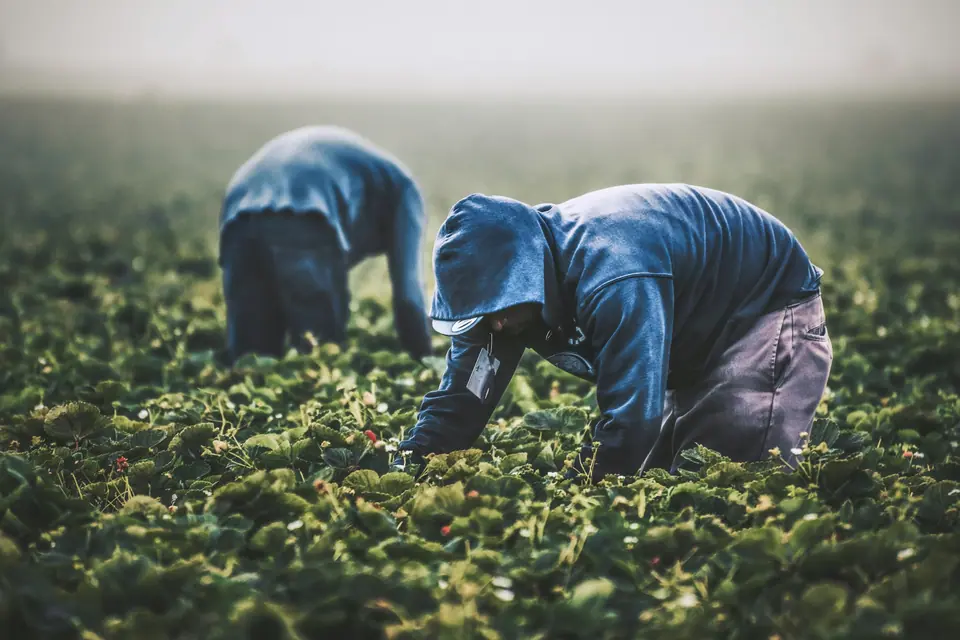
Harvest crews
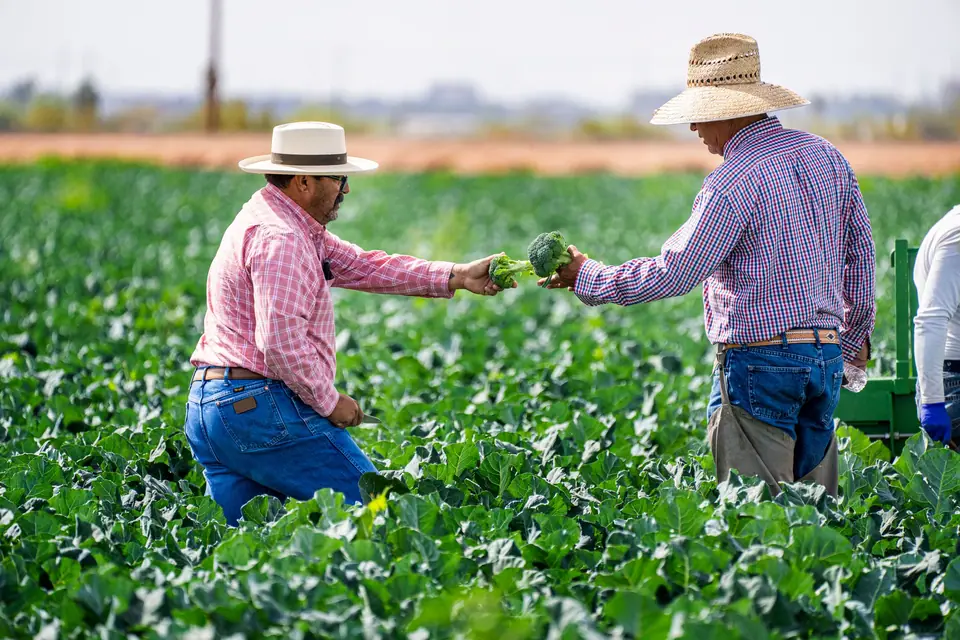
Hand harvest for table grapes, citrus, vegetables and berries, with field packing on request.
Learn more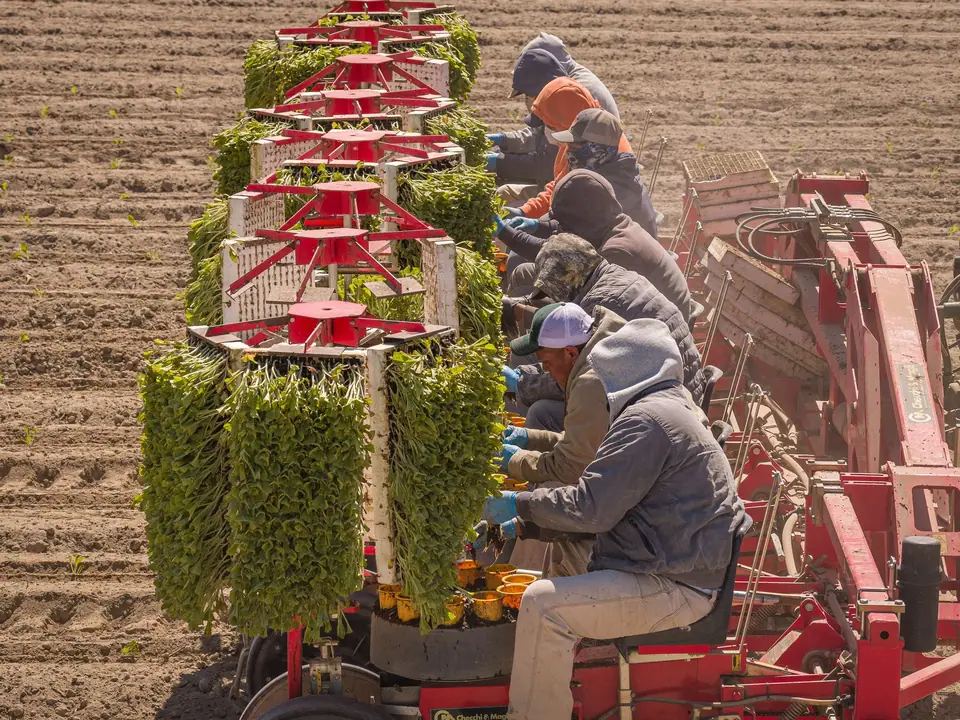
Planting & transplanting
Transplant-rig crews, hand planting, and nursery tray handling for row crops and orchards.
Learn more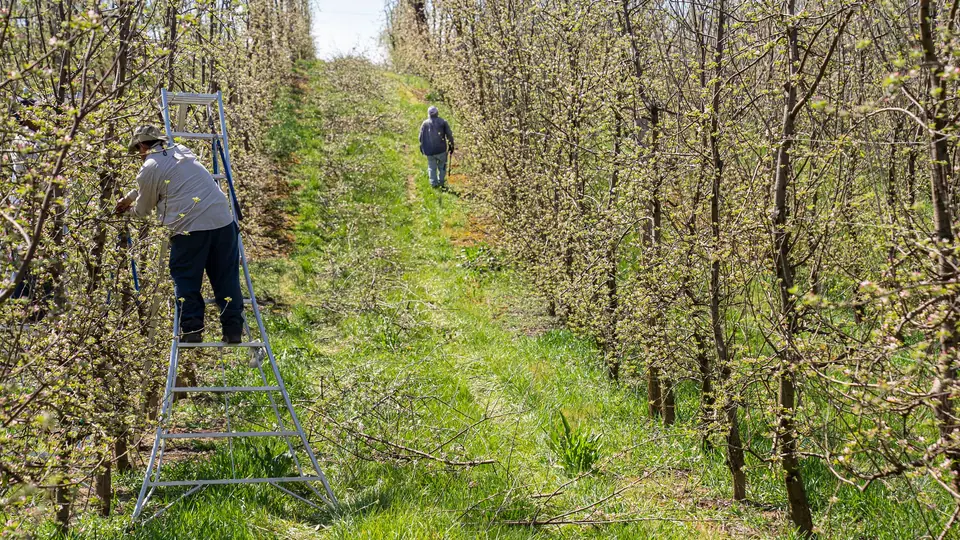
Pruning, thinning & canopy work
Dormant pruning, fruit thinning, and vine canopy work for orchards and vineyards.
Learn more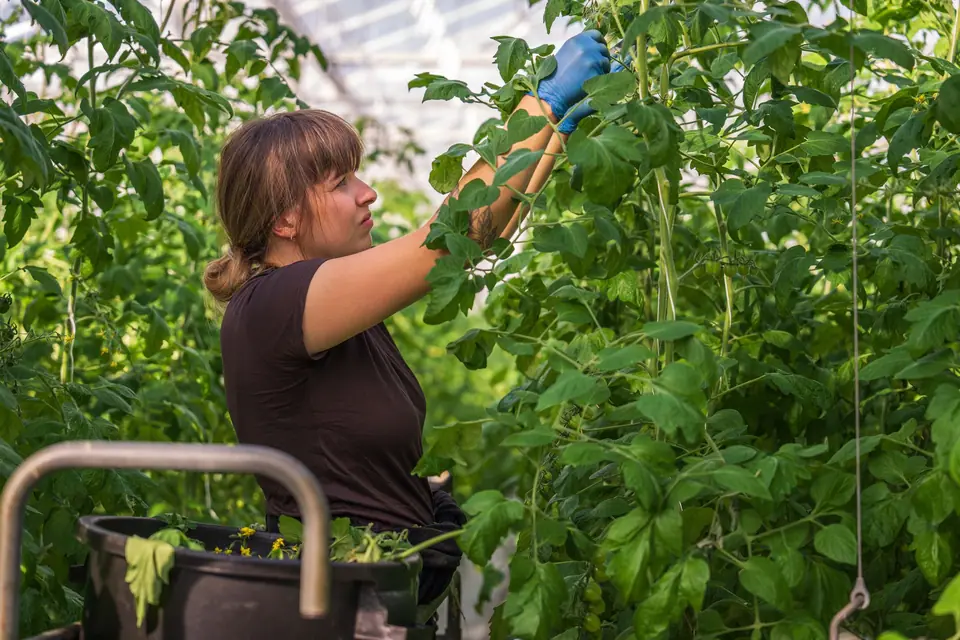
Greenhouse labor
Year-round crews for high-wire greenhouse tomatoes — from planting to picking.
Learn more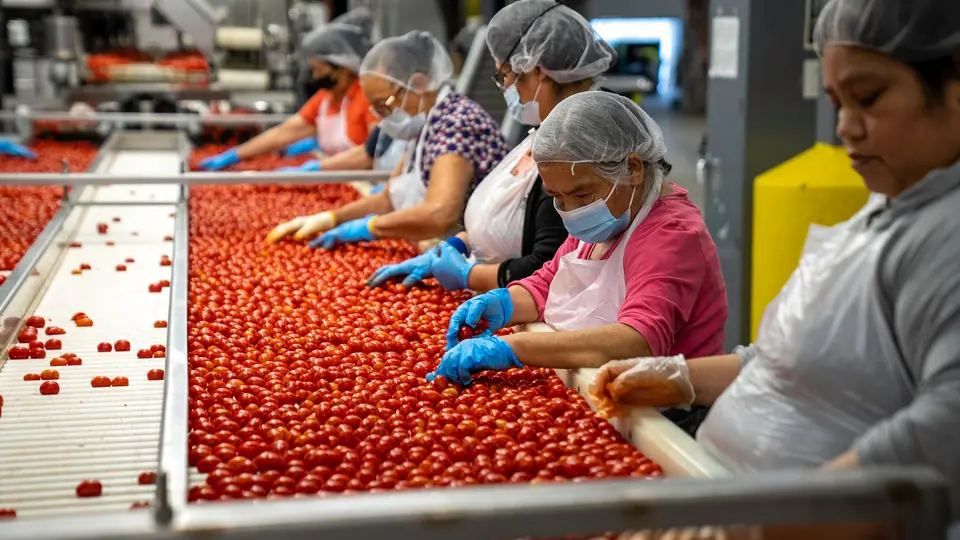
Packing house staffing
Sorters, packers, palletizers and sanitation crews for packing sheds and cold storage.
Learn more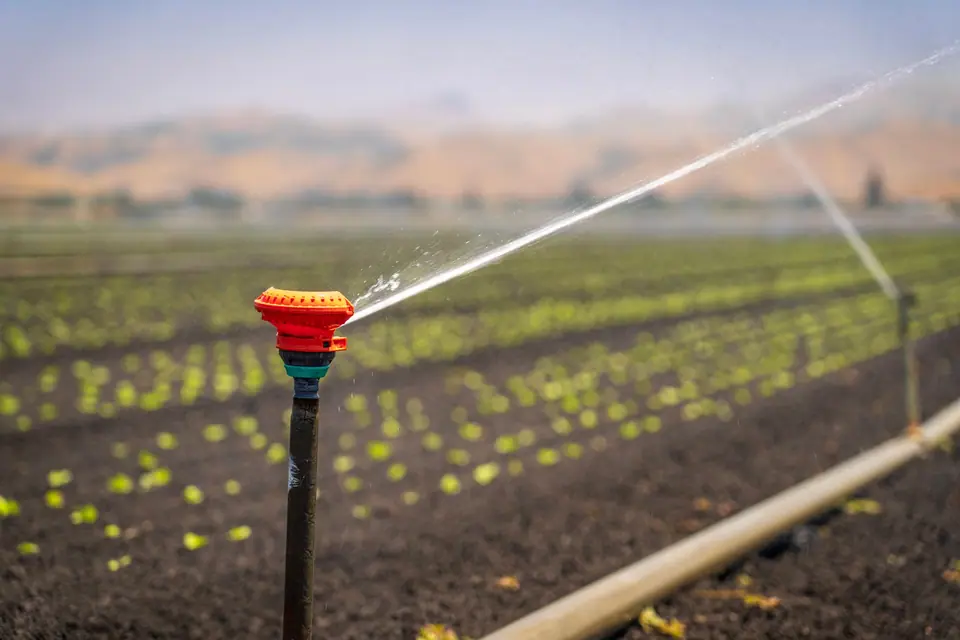
Field maintenance & irrigation
Weeding, hoeing, irrigation, drip repair, field cleanup and tractor operators.
Learn moreWork that follows the harvest.
We hire all year. Pick a posted job or send one general application — we'll call you when the right crew is starting.
Open jobs
No jobs are posted online right now. We hire all year — send a general application or call the office.
When the work happens
The San Joaquin Valley grows more of the country's fruit, nuts and vegetables than anywhere else — grapes, citrus, pistachios, almonds, carrots and row crops lead the list. That means work in almost every month.
| Work | Jan | Feb | Mar | Apr | May | Jun | Jul | Aug | Sep | Oct | Nov | Dec |
|---|---|---|---|---|---|---|---|---|---|---|---|---|
| Table grape harvest | Some work | Peak | Peak | Peak | Peak | Some work | ||||||
| Citrus harvest | Peak | Peak | Peak | Some work | Some work | Some work | Peak | |||||
| Almond & pistachio harvest | Some work | Peak | Peak | Some work | ||||||||
| Carrots & potatoes | Some work | Some work | Some work | Some work | Peak | Peak | Peak | Some work | Some work | Some work | Some work | Some work |
| Vegetable planting | Some work | Peak | Peak | Peak | Some work | Some work | Peak | Some work | ||||
| Orchard & vine pruning | Peak | Peak | Some work | Some work | Peak | |||||||
| Thinning & canopy work | Some work | Peak | Peak | Peak | Some work | |||||||
| Greenhouse tomatoes | Peak | Peak | Peak | Peak | Peak | Peak | Peak | Peak | Peak | Peak | Peak | Peak |
| Packing houses | Peak | Some work | Some work | Some work | Some work | Some work | Peak | Peak | Peak | Peak | Peak | Peak |
Everyone goes home the way they came.
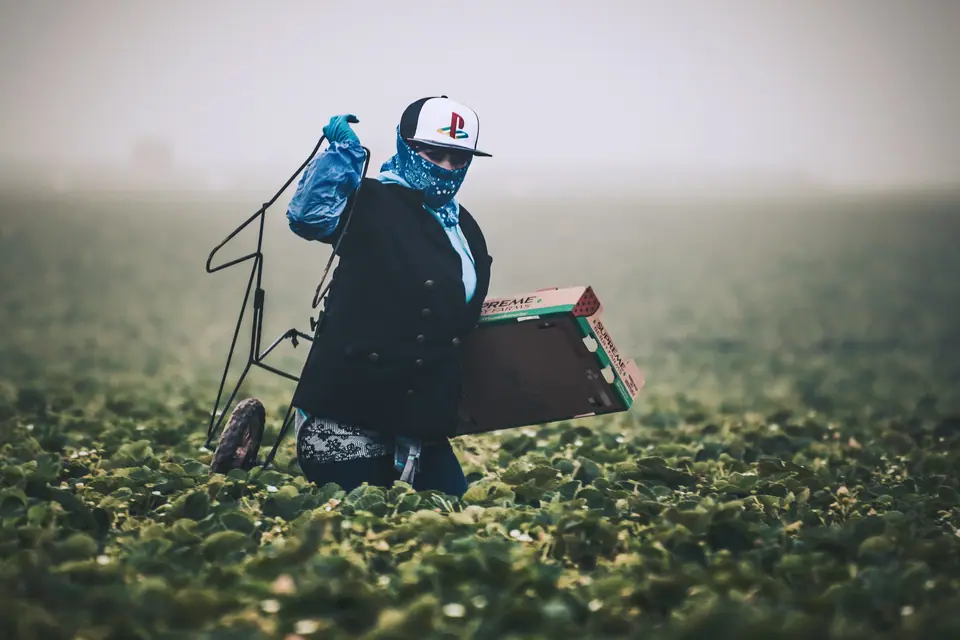
Heat is the biggest risk in Central Valley farm work. We plan for it every day, and we train crews in their own language on heat, pesticides and ladder and vehicle safety.
How a crew gets to your field.
Clear steps, one point of contact, and paperwork you can show an auditor.
- Tell us the job
Crop, task, location, headcount and start date. We walk the field with you if it helps.
- We plan the crew
We confirm headcount, supervision, transport, shade and sanitation, and give you our license and MSPA registration before we sign.
- Trained crew on day one
Workers arrive trained on safety and your quality and food-safety rules, led by a bilingual supervisor.
- Clean records, every week
We run payroll and keep hours, piece counts, training logs and heat plans ready if you need them.
Straight answers.
How do I apply for a job?
Fill out the short application on our Apply page, or call or text the office during office hours. There is no fee to apply — and we will never charge you for a job.
Do I need experience?
No. Many jobs are entry-level and we train you on the task, on safety, and on the grower's quality rules before you start. Experienced pruners, forklift operators and crew leads are always welcome too.
What documents do I need?
After you are hired, federal law requires every employer to complete Form I-9. You choose which acceptable documents to show from the official list. We do not ask for immigration papers on the application, and we don't ask for more documents than the law requires.
How does overtime work?
In California, farmworkers earn overtime (1.5 times the regular rate) after 8 hours in a day or 40 hours in a week, and double time after 12 hours in a day. The seventh day in a row has its own overtime rules. Your pay stub shows every hour.
Need a crew, or need work? Call us.
Our office speaks Spanish and English. Call or text — growers and workers welcome.
Fri 8:30 am – 1:00 pm
Sat–Sun closed